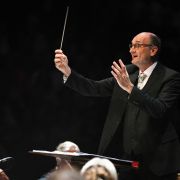
Vaughan Williams was not a fan of Tchaikovsky, finding the emotions in his music lacking depth of feeling, so it was a strange choice for Sir Antonio Pappano to programme his barnstorming Fourth Symphony at the start of this evening. However, RVW may have approved of Pappano’s approach to the symphony which emphasised theatricality over angst; in his hands the work seemed like a cross between an opera and a ballet and none the worse for that.

The persistent ‘Fate’ motto was well integrated into the structure of the first movement and the gentle secondary themes bounced along pleasantly as if they were taken from Swan Lake. The tempo of the graceful slow movement was well judged, enabling the delicacy of the orchestration to shine through. The pizzicato Scherzo was precisely brought off and the finale did its whirlwind thing with panache. This symphony is pretty indestructible but when played with such superb virtuosity and taste, it was a memorable experience.


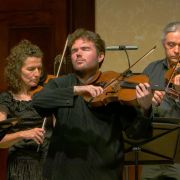
A work that is a more delicate flower and needs loving musical care is RVW’s Flos Campi. Composed for viola, wordless semi-chorus and small orchestra, it is one of the wonders of British music if it all comes together. Inspired by sensuous quotes from the Song of Solomon, this 1925 work finds the composer at his most musically adventurous and voluptuous. With Antoine Tamestit a supremely responsive soloist and the London Symphony Chorus providing a ravishing cushion of sound, the moods and textures coalesced ideally. Pappano and the reduced LSO paced the performance as if they’d played the work many times and the result was wondrous.
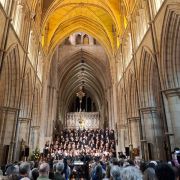
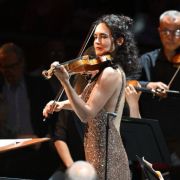
In Dona nobis pacem the whole orchestra and chorus were used again on stage, with the addition of two soloists, Julia Sitkovetsky and Ashley Riches. A requiem in all but name, it is the last work where you can sense that the composer is processing the horrors of the First World War. Using texts from diverse sources, including the Latin mass, the Bible and Walt Whitman, it is a plea for peace which initially depicts the horrors of war before a mood of hope and tentative peace develops.

The work’s only sin is that it can sounds disjointed and the styles of music, some taken from pre-war sources, can jar, but when played with such passionate commitment and power, none of these weaknesses were apparent. Pappano presented it theatrically, with a vividness that was spine-tingling and moving by turns. Sitkovetsky was assertive, and slightly out of tune at the outset, almost Verdian at times in her pleas for peace. But her interpolations proved to be the glue that held the structure together. Riches was sensitive in the touching Whitman setting, “Word over all” and stern and powerful later in the performance. The Chorus were again on top form, holding their own in the powerful brass heavy passages and exquisite in the eight-part harmony in the same Whitman setting. A hugely satisfying conclusion to a commanding experience in the concert hall.