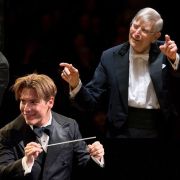
The last time Yannick Nézet-Séguin conducted at the BBC Proms – barring an emotional Nimrod in the aborted 2022 concert moments after the death of Elizabeth II was announced – was when he stepped in for an ailing Mariss Jansons in 2019, closing the programme with a bear-hug of a Rosenkavalier Suite. Seven years on, swap the Bavarian Radio Symphony Orchestra for his own Metropolitan Opera Orchestra, and plonk the suite at the start of an all-Strauss concert, the results felt remarkably similar: sumptuous, hedonistic, highly calorific.

Nézet-Séguin clearly adores this score and was a bundle of energy on the podium, whipping up his orchestra, making its Proms debut, into a supercharged rendition. Priapic horns rang out lustily and the angular brass rasped in the Baron Ochs episodes, the New Yorkers rather coarser than their Bavarian counterparts. The crepuscular trumpet announcing the Marschallin’s arrival was smokily poised, though, and sumptuous strings caressed the famous trio, Nézet-Séguin pulling the tempo back to revel in their sound. As an opera orchestra, the Met players know this score inside out, although they’ve not played it under their current Music Director.


They have played Salome under Nézet-Séguin though – last year in Claus Guth’s staging, with tonight’s soloist, South African soprano Elza van den Heever, in the title role. Unleashed from the pit for the final scene, where the Judean princess is delivered the head of John the Baptist, no apologies were needed for the brass here, chomping into Strauss’ lurid writing with glee, baying for blood.

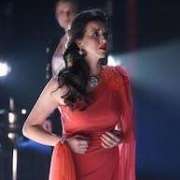
Van den Heever, another Proms debutant, sank her teeth into the text in a tremendous portrayal, quivering with anticipation, vehement, ecstatic. Her soprano cleaved through the heavy orchestration, even if some of her words went missing in action, lost in the unhelpful Royal Albert Hall acoustic (whatever happened to surtitles at the Proms?). There was plenty of acting – teasing one moment, animalistic the next – with a hollow growl on the word “Todes” (Death). And she showed remarkable restraint in not batting away the camera shoved up her nose for much of the performance. It’ll make for good close-ups on the telly. Van den Heever is a major artist, a regular at the Met. Lucky New York. We’ve yet to see her at Covent Garden (for shame) and it’s 12 years since her Ellen Orford for ENO.
Premiering seven years before his outrageous biblical opera, Ein Heldenleben is a tougher nut to crack. Strauss’ thinly veiled autobiographical tone poem conveys the struggles and triumphs of “the artist”, from its mock heroic opening, struttingly played, to the bickering woodwinds depicting his adversaries – music critics (ahem!) – and the loquacious violin solos (deftly played by concertmaster Benjamin Bowman) portraying Strauss’ wife, Pauline de Ahna. But it’s an episodic work of peaks and troughs and, after an action-packed battle with his critics, Strauss slumps into Nietzschean navel-gazing. The best thing to do is barrel through it, a lesson Nézet-Séguin has clearly learnt, dispatching it in just under 44 minutes.


In a lovely touch, van den Heever returned for an encore, Zueignung (Dedication), halting the performance midway to fess up that she was singing the wrong words (skipping straight to the third verse after the first). After some Yannick–Elza joshing, the conductor offering her his score, their second attempt glowed.