By tradition, the Prague Spring festival opens every year with a visiting conductor or orchestra offering their interpretation of Smetana’s Má vlast. This year a special anniversary kept the invitation close to home – the centenary of the Prague Radio Symphony Orchestra. Led by Czech maestro Petr Popelka, the orchestra celebrated its 100th birthday with a rousing invocation of Czech cultural identity as vibrant and authentic as one is ever likely to hear.

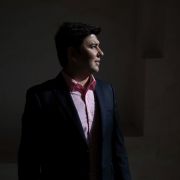
As Chief Conductor and Artistic Director, Popelka has spent the past four years upgrading the orchestra’s sound and standing, though it was the intangibles that stood out in this performance. The enthusiasm in the approach, fervor in the playing and pride in the music took Smetana’s symphonic cycle to another level. Encompassing the narratives and scenes depicted in the six movements, there was a historic sweep and feeling of legends come to life, an overriding sense of heroic destiny. Sensitivity in the portrayal of landscapes and characters added emotional depth and resonance.


Rather than taking any interpretive liberties, Popelka offered a relatively straightforward version of the music that soared with powerful surges of energy and dazzled with bright, animated colors. The orchestra has a lush natural style that worked very well in the rippling Vltava and rich Z českých luhů a hájů (From Bohemia’s Woods and Fields) movements, which Popelka enhanced with subtle shadings in the sound. Other movements offered strong contrasts. The glistening harp arpeggios that opened Vyšehrad segued smoothly into an expansive melody that built to fiery intensity depicting the grandeur and destruction of the castle. Šárka dropped listeners into the middle of a noisy clash, let up for some nifty solo clarinet work, then portrayed the maiden warriors’ attack in thrilling, pounding terms.
Played through together, Tábor and Blaník showcased both the strengths and weaknesses of Popelka’s approach. Working every bar for every bit of drama and pathos he could squeeze out of it, he gave the battles heavy weight, the courage of the warriors great glory, and the future of the Czech nation ringing optimism underpinned by the warmth of coming home. The layering of sounds was clear and finely crafted, and the interplay between sections of the orchestra skillfully executed. But the monumental proportions demanded consistently high volume, which gave the music the effect of bursting at the seams. When you’re already pushing the upper auditory limits, there’s nowhere else to go.


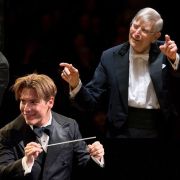
For the most part, however, Popelka showed a deft hand with fine touches. He uses pauses in the music as well as anyone, creating breathless moments of anticipation, and has a gift for light airs – you could almost see butterflies flitting through the Bohemian fields. And his body language, leaning out over the podium to coax the sounds he wants out of his players, gives the music an emphatic edge. The detailed responses he gets also reflect a tight relationship honed by years of working together.
In the annals of Prague Spring openings, this one may be remembered as a performance that only homegrown listeners could fully appreciate. No matter. It offered the kind of music that fills your heart and makes your chest swell with pride. And in any language or setting, that is a significant and laudable achievement.