| Año de nacimiento | 1786 |
| Año de muerte | 1826 |
| Nacionalidad | Alemania |
| Periodo | Romántico |


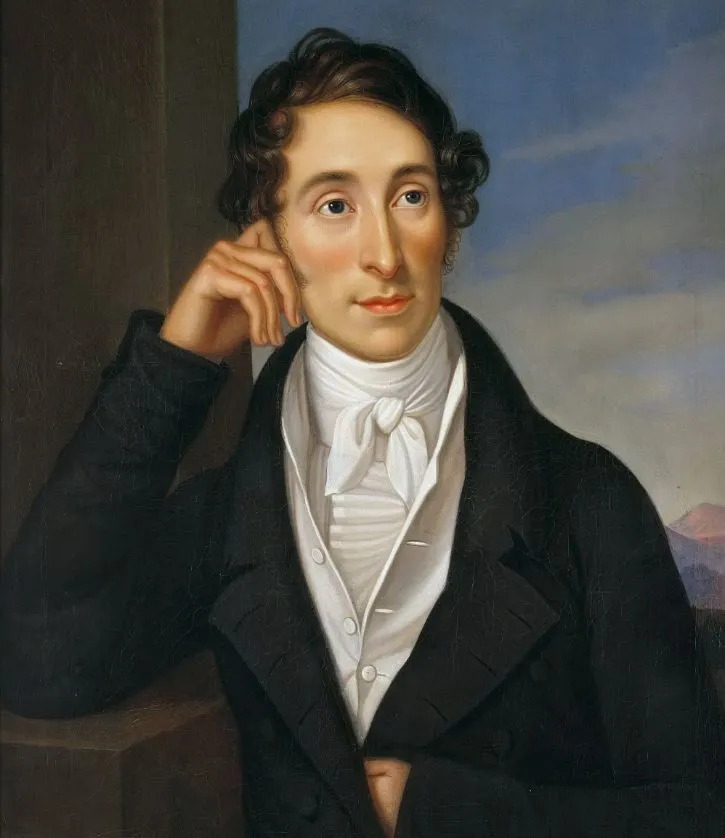
Unlike some composers whose dramatic instincts were acquired intellectually, Carl Maria von Weber absorbed theatre from childhood. He was born in Eutin in 1786 into a theatrical and musical family, growing up surrounded by opera companies, touring productions and practical stagecraft. He understood instinctively how music could create atmosphere, shape narrative and conjure supernatural worlds.
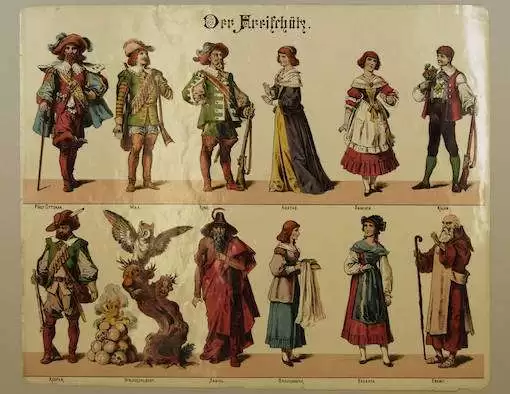
His reputation today rests principally on his opera Der Freischütz, whose forest settings, folk inflections and demonic imagery established a German Romantic operatic tradition that laid the foundations for Richard Wagner. As Kapellmeister in Dresden, he fought tirelessly for German opera against the dominance of Italian repertory. But Weber was also an outstanding pianist, conductor and orchestrator. His writing for woodwinds – the clarinet in particular – was exceptional. His friendship with Heinrich Baermann resulted in several gems of the clarinet repertoire.
Writing about Der Freischütz, Hector Berlioz described how “its wild and captivating fragrance intoxicated me”. It’s little surprise that Berlioz was such an admirer; both men crossed the bridge from the Classical era into the emotional intensity, colour and storytelling instincts of early Romanticism. Berlioz even composed recitatives for Freischütz to navigate the Opéra de Paris’ ban on spoken text and even orchestrated Weber’s piano piece Invitation to the Dance to provide the obligatory ballet.
Alas, the two like-minded composers never met. There was a fleeting near-miss opportunity in 1826 when Weber was en route to London for the premiere of Oberon at Covent Garden – but by then tuberculosis had increasingly weakened him and he died shortly after the premiere, while still in London, at just 39 years of age.
Richard Wagner led the campaign to have his remains brought back to Dresden, where Wagner had taken up Weber’s old post as Kapellmeister. His words at Weber’s graveyard in December 1844 – “A more German composer than you has never lived.” – have echoed down the centuries.