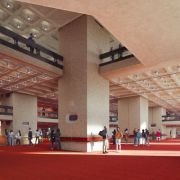
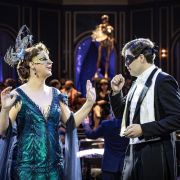
Magic and transformation are the heart of Baroque opera, so a theatre built by passionate enthusiasts on what was once a chicken coop could be the ideal setting for a period staging of Handel’s tale of love and madness, Orlando. A masterpiece of bristling orchestration and vocal chicanery, the opera tells the unlikely story of the titular warrior who finds himself overcome with rage, envy and unrequited love, yet must conquer his demons. Orlando is in love with a the Queen of Cathay, Angelica; but Angelica is in love with the soldier, Medoro; and so is Dorinda, a shepherdess. Meanwhile, Zoroastro calls the malcontented warrior to greater things through acts of sorcery.

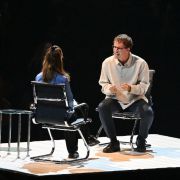
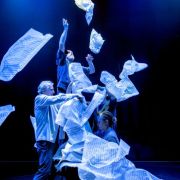
With a superb cast and a first-time collaboration with The Academy of Ancient Music, the ambition of this year’s opening show at Longborough Festival Opera sets the dial firmly to the future of the much-loved Cotswold festival that will mark its first three decades next year. It’s definitely the singing that’s winning in this production, but while there is much to celebrate in terms of individual performances, it’s a shame that a lack of directorial light and shade obscures, rather than illuminates, the way ahead. Sinéad O'Neill’s reliance on external symbolism might have worked on a larger stage but In this modest space dramatic development and emotional intensity is crowded out by a series of clunky visual metaphors assembled – and then dismantled – by three crinolined figures (rising to four, when Zoroastro appears). A dance to represent the curious freedoms of the forest becomes an awkward manoeuvre with some troublesome foliage. All that and the decision to switch off gravity in the sylvan glade, turning everything to slow motion.


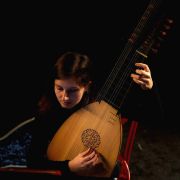
Luckily nobody told Handel or Christopher Moulds, who bustled the Academy of Ancient Music through their paces in a score bristling with intrigue. They responded with gutsy vivacity, the folksy quality of the period instruments making a virtue of the intimate acoustic. A quick word about the tempi: wow. Moulds isn’t going to be the one to keep the caterers waiting. But there was silvery enchantment, too, and it was a real treat to hear the delicate “Gia l’ebbro mio ciglio” played as a duet for two violetta marine.

A challenging role in a florid plot, the warrior Orlando almost met his match in Beth Taylor, whose athletic coloratura took no prisoners. She gave the lows and highs of Handel’s heroics an almighty, whole-body shakedown in “Cielo! Se tu il consenti” thanks to an extraordinary range that resonated with a luscious darkness at the bottom and bell-like clarity at the top. If her devil-may-care abandon through mid-register won’t be to everyone’s taste, it got a lot closer to portraying the chaotic torment of a warrior than having her stumble slowly about as if through porridge.

Longborough emerging artist Kelli-Ann Masterson popped up as the shepherdess Dorinda just in time to serve a healthy dose of sparkle to a stodgy first act, sounding every bit as limpid as the crystal streams of “Quanto diletta avea”. Masterson has charm by the bucketload and her gleeful dispatch of the fiendishly gymnastic “Amor è qual vento” later on was an absolute showstopper.
Anna Devin served plenty of excellent sass as Angelica, and maintained impressive dramatic focus, even though being bound up by The Crinolines in a giant cat’s cradle during “Non potrà dirmi ingrata” must have taken some concentration. The luminous Katie Bray didn’t have nearly enough to do as Medoro, but apparently set free from enforced slow motion after the long dining interval, she brought a fresh seductive gloss to the final act. The gravitas of Andrew Foster-Williams’ Zoroastro was somewhat undercut by the whole crinoline thing, but there was no getting in the way of his clear, avuncular sonority.


There’s no harm in finding oneself in a shady bower on a hot day, and while important elements may have been lost in the fog of mystery that rolls in over the Stalls from the beginning, as Longborough’s audiences know, love and enchantment still go a long way.