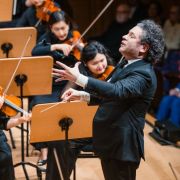
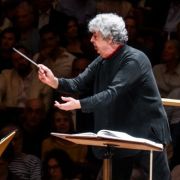
The centenary of American composer Carlisle Floyd is being honored with performances across the US and Europe. This Carnegie Hall concert brought together five operatic soloists, the combined choirs of Florida State University and the University of Houston, and 65 musicians in the specially assembled Carlisle Floyd Centennial Orchestra.

The program, conducted by Christopher James Ray, presented a carefully curated mix of vocal and orchestral highlights spanning Floyd’s five-decade career and served as a thematic and chronological sampler of his evolution as the Father of American Opera. The evening opened with the Orchestral Suite from Susannah. Considered the composer’s magnum opus, the 1955 opera transfers the Old Testament story of Susannah and the Elders to rural Tennessee. Distilling the two-hour melodrama into a 20-minute piece, the score requires a purely instrumental ensemble to depict the characters and the oppressive nature of the Appalachian landscape. The orchestra was most impressive in the lyrical parts of the score – where the strings produced a lush, romantic tone echoing the vocal lines of the familiar aria “Ain’t it a Pretty Night”, and in the moments where woodwind soloists emulated folk songs.


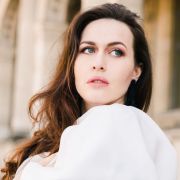
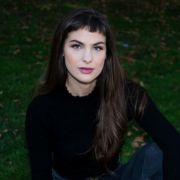
The vocal portion of the program began with Pilgrimage, a 20-minute work for baritone, orchestra and chorus. Though designated by Floyd as a ‘solo cantata’, it is more fittingly labeled a song cycle. Drawn from biblical verse (Job, Psalms and Romans ), the five pieces are arranged to suggest a narrative moving from sin to acceptance of God. With his commanding stage presence and hall-filling baritone, soloist Reginald Smith, Jr. brilliantly conveyed the work’s dramatic tension, dispatching the texts with raw intensity and creating a deeply spiritual atmosphere. Another solo highlight was soprano Gabriella Reyes’ breathtaking rendition of “Ain’t it a Pretty Night”, in which the heroine sings about a beautiful Appalachian evening and her dreams of seeing the world beyond her valley. With luminous tone, shimmering high notes and radiant vibrato Reyes effectively captured the character’s youthful innocence and hope.
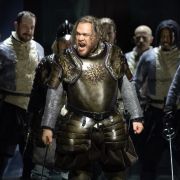
The program then moved into Floyd’s politically charged middle period with the chorus singing “It is Done: The war is over and we who are left endure”, from The Passion of John Wade, an opera set in the American South in the early days of the Reconstruction period following the Civil War. The 99 choristers sang a powerful rendition, capturing all the agony and grief of a defeated population. An equally charged piece followed with Edward Nelson’s performance of “We all come out of the earth” from Willie Stark, Floyd’s 1981 opera based on All the King’s Men, Warren Penn Warren’s 1946 novel about Louisiana governor Huey Long. With grounded, highly resonant tone, the baritone effortlessly navigated the rising register and delivered a deeply moving climax.


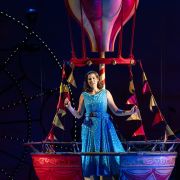
Things lightened up when Susan Graham came on stage to sing “Dougald, I Would Speak with Thee”, from The Sojourner and Mollie Sinclair, Floyd’s rarely staged one-act comic opera about Scottish settlers in the Carolinas. The renowned mezzo-soprano offered a dramatically theatrical portrayal of the central character urging her kinsman, Dougald MacDougald, to stop straddling two conflicting cultures. Delicately balancing confrontational authority with maternal empathy, Graham masterfully handled the melodic lines with her warm low and middle registers.
Following bass-baritone Ryan McKinny’s dramatically deep, vocally authoritative interpretation of “Rucker’s Sermon” from Cold Sassy Tree, a comic opera about a May-September romance between storeowner E. Rucker Blakeslee and his much younger employee, Miss Love Simpson, the evening concluded on a triumphant note with an uplifting presentation of the Act 1 finale from the same opera, featuring all the centennial’s artists and chorus.