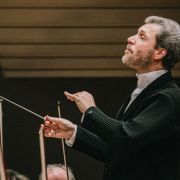
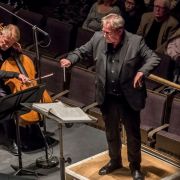
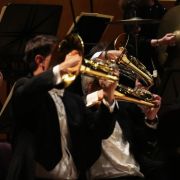
As orchestras’ seasons near their close, we reach that annual glut of large-scale orchestral showpieces, and the likes of Mahler and Strauss are suddenly everywhere. This in no way compromises the ‘specialness’ of these events, which instead become season-defining highlights. This concert, not quite the last in the Royal Liverpool Philharmonic Orchestra’s season, opted for Mahler’s last completed symphony instead of fireworks. With Domingo Hindoyan coming up for five years in post in September, it offered a perfect example of what he has achieved in honing the orchestra’s string sound.


Domingo Hindoyan has now conducted several Mahler symphonies to bookends RLPO seasons. His approach to the Ninth was not the heart-wrenching leave-taking sculpted in some hands, but rather an impassioned essay on the unbounded joys of being. We witnessed the richness of life in all its splendour in the first movement contrasted with warm acceptance (rather than tragedy) in the finale. The orchestra responded with some of the best string playing I have heard from their concert platform.
The first movement seemed to climb to ever more desperate attempts to cling to life itself, as if somehow striving to tick off some existential bucket list. There was no sentimentality, although the contrasting passages of hauntingly wandering string figures stood starkly against the joy of the brassy climaxes. If there was occasionally a sense that the music felt strangely episodic, perhaps losing sight of its longer structure, this probably enhanced the intensity of the movement’s individual triumphs and catastrophes. In a sign of things to come, it was the rich warmth of the string sound which was the most moving, born of a full-bodied viola and cello sound.
Hindoyan took almost no pause between any of the movements, with just a marginally longer breath of air before the finale. The second reached dizzy heights of giddiness in its heady waltz figures, hinting at Ravel’s La Valse of a decade later in its allusions to impending disaster. The Scherzo, by contrast, was most effective in its slow and dreamy central passage, where a sudden glimpse of the finale was reached. The Scherzo proper could have been altogether nastier in its biting cynicism, instead sometimes feeling clean and precise, though the final pages rocketed into the buffers with hair-rising energy.


And so to one of those great Mahlerian slow movements, here the symphony’s apotheosis. Once again, the intensity of the string texture, driven by that brilliantly woody viola sound, was the defining feature. Where the opening movement had felt episodic, here the music seemed to unfold totally naturally without any hurry or lingering. There were some exquisite pianissimos in the strings and woodwind, followed up by the sorts of crescendos which seemed to last several minutes. This was music of astonishingly warm acceptance in the face of life’s end, made all the more effective by the journey we had completed from the desperation of the first movement.