Encontramos a los bailarines de Malpaso —una de las principales compañías de danza contemporánea de Cuba— en un sofocante estudio que lleva tres días sin electricidad. Aún así, no paran de sonreir mientras ensayan la nueva obra del coreógrafo Pedro Ruiz, The Essence of Us. Empapados en sudor, se mantienen alerta y con ganas de crear. La cámara sigue al bailarín Esteban Aguilar mientras este se desplaza por el escenario del estudio con mirada decidida. Pareciera como si una fuerza invisible lo provocara, empujándole bruscamente los hombros hacia atrás como buscando pelea, pero él sigue adelante, imperturbable. Se detiene de pronto, se lleva una mano al pecho para, a continuación dejarla flotar como una mariposa. “Verlos bailar es una verdad, una verdad sincera que sale del corazón”, dice Ruiz a la cámara. “Y cuando el movimiento surge desde dentro, es real”.

Esta escena pertenece a The Essence of Us: A Cuban Story, un documental de Nel Shelby en colaboración con la directora de fotografía y montadora Ashli Bickford. La película, que se estrenará el 19 de septiembre en el 92nd Street Y de Nueva York, será el centro de la noche inaugural del Harkness Mainstage Series, cuya programación se extiende hasta el próximo mes de junio. En principio, el encargo que recibió Ruiz, afincado en Nueva York, fue el de estrenar la obra en directo en el 92NY con bailarines de Malpaso y músicos cubanos, entre los que se encontraban el pianista de jazz Aldo López-Gavilán y el Cuarteto Alma.
En junio de 2025, el Gobierno de Estados Unidos anunció tanto una nueva y extensiva prohibición de viajar como la suspensión parcial de emisión de visados para los cubanos. Ante esto, los responsables de 92NY dicidieron contratar al equipo de Shelby para filmar a Ruiz, a la compañía y a los músicos, transformando una actuación cancelada, en un conmovedor documental sobre la colaboración entre Estados Unidos y Cuba.


El documental de Shelby capta tanto la belleza de la danza como la determinación de los bailarines en su día a día. Para ello, mezcla videos de ensayos, de entrevistas y de la propia ciudad de La Habana. El director ejecutivo de Malpaso, Fernando Sáez, explica que la compañía nació en 2012 con el deseo de sobrepasar los límites existentes. “Tras muchos años, la frustración de no poder llevar adelante nuestros proyectos en toda su extensión nos llevó a crear Malpaso”.
Aunque la película pone de relieve la dura realidad de crear durante un prolongado corte de electricidad, Sáez mantiene una perspectiva realista sobre las dificultades actuales de Cuba. “A lo largo de la historia, muchos artistas han trabajado en condiciones muy extremas”, afirma. “Las condiciones en Cuba son muy difíciles, pero no compararía nuestra situación con la de quienes han trabajado a lo largo de los años en condiciones infinitamente más difíciles que las nuestras. Aun así, en estas circunstancias, seguimos trabajando”.
En una conversación con Ruiz por videollamada, este me explicó cómo se desarrolló el proceso de creación de la coreografía una vez que estuvo en Cuba. Sáez le pidió que impartiera la clase matinal de la compañía. “Creo que fue muy inteligente por parte de Fernando invitarme a impartir una clase de ballet”, recuerda Ruiz. “Me permitió conocer a los bailarines y, de esa forma, ‘entrecruzar nuestras miradas”, una expresión que significa mirarse y conectar de verdad unos con otros. “Una vez establecida esa conexión, comenzamos los ensayos”.

Para Ruiz, volver a su tierra natal y colaborar en unas condiciones tan austeras requería un enfoque diferente al de su proceso creativo habitual. “Desde el principio, al saber que iba a volver a Cuba para trabajar con Malpaso en un momento tan difícil, supe que esta no sería una colaboración cualquiera”, reflexiona Ruiz. “Había que partir directamente de ellos”.
“Me inspiró mucho la creatividad de estos bailarines, estando expuesto a las condiciones en las que ellos viven. Es finales de mayo, junio, hace calor en Cuba. No hay aire acondicionado. Y trabajar en esas condiciones es difícil, incluso para mí. Me traje toda esa ropa de abrigo. Así que empecé a quitarme todo. Usé mi abanico. ¡Vuelta a la tradición!”, dice riendo, “¡Como mis antepasados!”. Ruiz preguntó entonces a los bailarines: “¿Cuál es, para cada uno de vosotros, nuestra esencia? Y así fue como comenzó la obra, con sus propias voces, contándome sus historias mediante la danza”.
Durante dos semanas, la pequeña compañía de dieciséis miembros examinó este tema a través del movimiento, una exploración que Shelby yuxtapone con la realidad de sus vidas cotidianas. Se muestra cómo los bailarines llevan garrafas de agua purificada al estudio para preparar el café de la mañana. Vemos a otro bailarín llegar a clase tras haber trabajado toda la noche en su segundo empleo y sin haber dormido. Una bailarina se aguanta las lágrimas de agotamiento mientras habla del deber y compromiso que siente como artista. A través de estas escenas, la película muestra que su arte no está separado de su lucha contra las privaciones, sino que se forja a partir de ella; y no solo de la última oleada de crueldades, sino de las ya presentes hace tantísimo tiempo.

Shelby intercala estos momentos de intimidad en el estudio con la esencia de la Cuba actual, país que parece suspendido en el tiempo. La lente recorre la vibrante, aunque deteriorada, arquitectura colonial española y atraviesa calles dominadas por Ford, Buick y Cadillac de época, reliquias del optimismo estadounidense de mediados del siglo pasado. Estas imágenes se erigen como vívidos monumentos de sesenta años de restricciones por el bloqueo. Sin embargo, bajo las heridas provocadas por las crecientes sanciones, resiste un profundo sentido de solidaridad, tradición y dignidad, reflejado en la resiliencia que capta la cámara de Shelby entre las paredes del local de ensayo de Malpaso.
Sáez es plenamente consciente de que la inquebrantable fortaleza del pueblo cubano convive con un desolador y sistémico fracaso. “No se puede romantizar la miseria ni la pobreza”, advierte en el documental. “Habiendo crecido en este país, y vivido este nivel de pobreza tanto material como espiritual, no podría haber imaginado esta realidad… ni siquiera hace diez años”. Enmarca su supervivencia artística cotidiana como una resistencia contra los escombros físicos y psicológicos de un sistema mundial en decadencia. “¿Cómo evitamos que la montaña de porquería que hay fuera de nuestro estudio nos contamine? Tenemos que luchar contra eso, no se puede normalizar. El día en que eso se convierta en algo normal, será el día en que perdamos definitivamente la batalla contra el poder y contra nosotros mismos”.


En nuestra entrevista, Ruiz describe la fortaleza de su comunidad. “La gente sigue dando, manteniéndose abierta y conservando ese sentido del humor tan característico de los cubanos”, reflexionó. “Somos capaces de reírnos de nuestra propia tragedia. Es una herramienta de supervivencia”. Sin embargo, en la película, la realidad de abandonar la isla le llenaba el corazón de tristeza. “Volveré a Estados Unidos, donde, en cuanto llegue, me encontraré en una posición privilegiada”, admite. “Y pensaré en mis bailarines”. Este acusado contraste le deja entre un profundo afecto y una permanente sensación de impotencia.
Aunque la película es una ventana a la Cuba actual, en realidad profundiza en un mundo cada vez más incierto. Ruiz me dijo que la obra refleja una realidad global compartida: “Para mí, va mucho más allá de Cuba. Representa lo que está ocurriendo ahora mismo en nuestro mundo, en medio de toda esta agitación y conflicto. Al final, lo único a lo que podemos aferrarnos es a nuestra humanidad. Ese es el hilo que nos une a todos y, para mí, esa es nuestra esencia”.
La danza, The Essence of Us, ya está terminada. ¿Se podrá ver en vivo, quizá el año que viene? No podemos garantizarlo con este clima político tan variable.

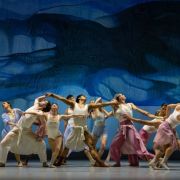
Mientras tanto, varias escenas de la actuación grabada se han quedado fijadas en mi memoria, sobre todo aquellas en las que el conjunto se mueve fluidamente como un único ente. En una imagen impactante, una mujer es elevada por encima de una mar de cuerpos, con los brazos extendidos como alas, antes de ser envuelta suavemente por el grupo. A lo largo de la obra, esta semejanza con las aves se repite mientras los bailarines se tocan el pecho y mueven los omóplatos como si alzaran el vuelo. Esta delicadeza contrasta con momentos de desesperación descarnada, en los que algunos se aprietan el estómago como si les atormentara el hambre. Moviéndose con fluidez entre la vulnerabilidad y la resistencia, los bailarines encuentran una forma de defenderse frente a las amenazas existenciales.
Malpaso no estará presente físicamente en el ciclo de danza, pero se le rendirá homenaje tanto a través de la película como con una actuación en directo del Ballet Hispánico de Nueva York la noche de inauguración en el 92NY. La conexión de Ruiz con el Ballet Hispánico viene de lejos. Ruiz nació en Cuba, se crió en Venezuela, y se estableció finalmente en Nueva York, donde fue primer bailarín del Ballet Hispánico durante 21 años. Su legado en la compañía vuelve el 19 de septiembre en el 92NY con la puesta en escena de Guajira, su primera obra coreográfica para la misma, creada en 1999. Todo el programa rinde homenaje a Cuba y a su significativa influencia en la danza estadounidense con la inclusión de fragmentos de Danzón, del director artístico Eduardo Vilaro, y de Reactor Antígona (Antigone Reactor), la fascinante reinterpretación de un mito a cargo de la coreógrafa cubana Marianela Boán.
The Essence of Us: A Cuban Story se estrena el 19 de septiembre en el 92NY, junto con actuaciones del Ballet Hispánico de Nueva York.
Consulta la programación de danza de 92NY.
Este artículo ha sido patrocinado por 92NY.