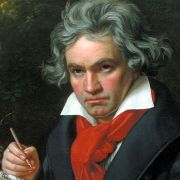
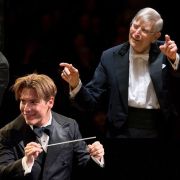
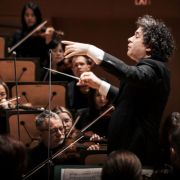
If there is anything like a “deep cut” among Beethoven’s large-scale works, his Missa solemnis is certainly it. Part all-embracing humanism à la Ninth Symphony, part idiosyncratic declaration of faith, it's an entirely awesome and weird score that tends to go over the heads of audiences and even a few conductors. Hardly easy listening. Small wonder that Gustavo Dudamel hadn’t conducted it – in Los Angeles or anywhere – until last Friday. The wait was worth it. From the first notes of the Kyrie to the beatific close of the Agnus Dei, his command of the score was secure, utterly convincing.


Dudamel had his work cut out: the challenges of executing the Missa solemnis are notorious. Not that you were ever aware of that in the performance, so convincingly and fluidly did he and the Los Angeles Philharmonic and its vocal guests realize this score’s awkward entries, tricky balances and daunting fugues. Throughout Dudamel displayed an impressive sense of action and stillness, of tension built to natural and thrilling release. One would have thought that the music and conductor were old friends.
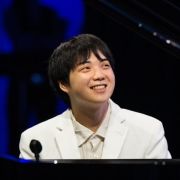
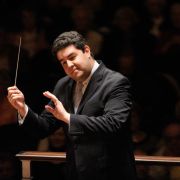
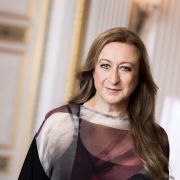
He counted on some impressive voices, starting with the vocal quartet of Pretty Yende, Sarah Saturnino, Seok-jong Baek and Rod Gilfry. The latter was especially formidable; in the Agnus Dei, Gilfry’s voice resonated with cosmic grief, the cyclopean grief of the Creator. It’s hard to believe he was a last-minute substitution.

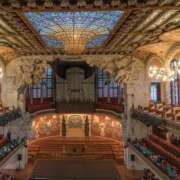
Joining the Los Angeles Philharmonic were a pair of choirs from Catalunya: the Orfeó Català and Cor de Cambra del Palau de la Música Catalana. The word ‘amateur’ tends to bring with it negative connotations, but these choirs were true to the etymological origins of the word: their singing was an act of devotion, of love. No need to qualify their singing. The vocal webbing that they provided for this performance was splendid. Their rich and vibrant sound, in a callback to the choirs of decades past, eschewed the blend typical of choirs today, not to mention the modern penchant for shallow basses and chalk-white trebles. What a thrill it was to hear their vocal mass let loose in the fugues of the Gloria, Sanctus and Agnus Dei. Yet it was a sound that was also shaped with great subtlety, especially in their dynamic with the solo quartet: each seemed to be an extension of the other.


Listening to this masterly performance, I couldn’t help but recall Dudamel’s first visits to Los Angeles nearly 20 years ago, and be moved by how much he’s grown as an interpreter since. We’ve been fortunate to have him here as long as we have. This performance of the Missa solemnis was further proof that whoever his eventual successor will be, they will have some very big shoes to fill.