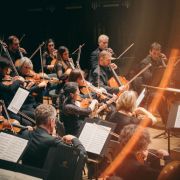
The first edition of Amsterdam’s ‘Mind the Gap’ Festival at the Concertgebouw kicked off in style this week. The Royal Concertgebouw Orchestra’s contribution under Antony Hermus to this five-day celebration of Black composers past and present was a concert quite unlike any other. By referencing Black baritone Jules Bledsoe’s historic 1937 performance of I’m Troubled in Mind under former Chief Conductor Willem Mengelberg, and putting this alongside works that are either neglected or completely new to audiences in the Netherlands, their programme cleverly highlighted a distinctive and evolving American voice, one with great audience appeal.

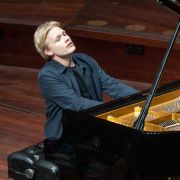
Without a doubt, the surprise of the evening was American bass-baritone Davóne Tines joining the stage for two negro-spirituals: I’m Troubled in Mind and Ol’ Man River. His deep, dark and highly attractive strains raised the roof. In fabulously colourful arrangements by Dutch pianist and composer Thomas Beijer, these much-loved classics found new life. In the same vein, Brian Raphael Nabors’ bright and breezy Pulse, effectively shifted the dial. Drum and high-hat grooves plus extended piano techniques, ‘fluffing’ flutes and a smattering of American Wild West harmonies pitched alongside an emerging electronic world, garnered plenty of smiles both on and off stage.


The intellectual highlight of the evening was Wynton Marsalis’ Trumpet Concerto in the inspirational hands of the RCO’s Principal Trumpet Miro Petkov. Written in 2023 for American trumpeter Michael Sachs, Petkov now quite rightly joins an elite group of trumpeters including Håkan Hardenberger and Alison Balsom who hold the work in their sights. Framed by Marsalis as a six-movement concerto which “attempts to capture the rich legacy of trumpet players around the world”, this is perhaps the work’s ultimate challenge, one which Petkov and the RCO relished with aplomb. There was literally nowhere to hide!
Petkov, who as a child had admired and looked up to Marsalis, was now the vehicle for the American jazz legend’s expression. His warm, delicate tones tracked the trumpet’s most humble roots in nature before conjuring seductive Louis Armstrong-inspired ballads full of distinctive mutterings low in the register, bended notes, teasing vibrato and cheeky tuba countermelodies. Syncopated castanets and percussive handclaps fuelled fiery Latino rhythms before a deliciously clashing horn cushion emerged for Petkov’s dream-like cadenza.

In the fourth movement entitled Blues, skilful orchestral trumpet writing supported the nimble solo line as a ‘neighing horse’ gave way to an array of trumpet mutes including the RCO’s very own, and surprisingly effective, red and white bowler hat. It was here though that the rather fragmentary nature of the work momentarily lost its way and may even be the subject of future revisions. Flashes of brilliance in wild klezmer frenzies, however, saved the day including a devilishly clever false ending. Petkov’s encore Sometimes I Feel Like a Motherless Child with RCO double bassist Nicky Schwartz pierced the soul. There was so much love in the hall.


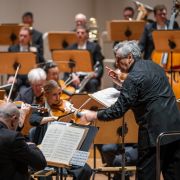
Concluding with the orchestra’s first performance of William Levi Dawson’s Negro Folk Symphony written in 1934, Hermus’ colourful interpretation sought the essence of melodies which Dawson himself considered to be the foundation of an inherently American musical language. Historic struggles seemed remarkably real, full of overwhelming pathos. The first two movements full of rampant brass and searching cor anglais solos were audience pleasers.