It’s now three years since artistic director Christopher Marney relaunched London City Ballet. Although there was risk involved, it is clear that Marney’s mission to revive works that are rarely seen or have been absent from the stage for decades alongside new commissions has proved to be a winning formula. The ensemble has grown to 16 dancers, the repertoire has new additions for this season and the company is touring nationally and internationally on a large scale. LCB is here to stay!

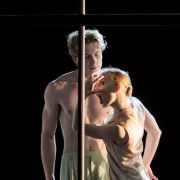
At London’s Sadler’s Wells, a double bill opened with John Neumeier’s Ghost Light. Neumeier created it for Hamburg Ballet in 2020 during Covid when working with a large company was impossible. Forced to create with small groups of six dancers at a time, he was not able to bring the fragments together until theatres reopened. The ghost light of the title refers to the single light left burning on empty stages in Broadway theatres while they were closed, as well as the mythical British tradition of ghost lights allowing the spirits of former dancers to return to the stage for nightly visits.


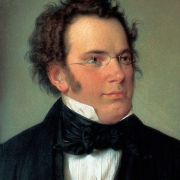
Set to the piano music of Franz Schubert, Neumeier has reinvented the work for LCB’s dancers in a poignant, sensitive and complex piece, a reminder that challenges can be surmounted when there is hope. What surprised most was how we were instantly transported straight back to a time which felt so alien, such an emotional and varied landscape.
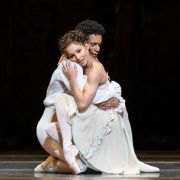
At the start, guest artist Alina Cojocaru entered the stage as a trepidatious Odette, nervously questioning where everyone was. Every arabesque and bourrée was an anxious step toward normalising an unfamiliar situation. It felt exaggeratedly tentative because it was executed in silence. Thereafter, a series of duets and ensemble passages took us on a journey of ever-changing relationships. The intensity of feelings and frustrations that lockdowns imposed on everyone played out in front of us.

Arthur Wille battled solitude with twitchy, jerky movements but somehow maintained fluid lines. The two male duets for Noah Cosgriff and Siméon Sorange-Félicité and later for Joseph Taylor and Nicolas Gläsmann were particularly memorable for the power and ardour with which they were expressed. Francesca Velicu and Gläsmann once again, left a deep impression and Cojocaru and Taylor delivered a pas de deux of extraordinary strength and depth. Ghost Light warrants further viewing in order to discover its multi-layered messages, but is was hugely exciting to be watching Neumeier’s choreography on a London stage with LCB.

Glen Tetley’s 1981 Firebird has been absent from the stage for 45 years. First performed by the Royal Danish Ballet with Mette Hønningen in the title role, Marney kept back a surprise for the curtain calls. Tetley’s version takes a young woman breaking free from familial constraints and finding form on her own terms. It’s a theme that resonates today just as much as in the early 80s. With John Macfarlane revisiting his original designs and Marney himself meticulously reconstructing the choreography from archive footage and help from Hønningen this felt like a satisfying, revitalised production.


Ellie Young as the Firebird and Taylor as the lover, Ivan, were exceedingly well-matched. Both lithe and mellifluously graceful, Taylor’s assiduous partnering and the heart-on-sleeve passion he brings to every role, combined with Young’s extraordinary poise and malleable torso (Tetley would have approved) made for good chemistry. Arthur Henderson’s Kotschei/Keeper of the garden was also quietly imposing.

The company as a whole looked confident and committed, with the men soaring to great heights in each and every grand jeté or grand assemblé. Perhaps the most exhilarating aspect of LCB is that most of the dancers are still in the relatively early stages of their development. They have much more to give.
It seemed very apt that Marney came on stage to thank the audience at the end of the evening. When he invited Hønningen and Macfarlane to join him, showing a small clip of archive film of Firebird projected onto the backcloth, it felt very special. While we move forward with dance in all its guises, legacy remains an important factor in our precious art form and Marney is doing a great job of keeping it alive.