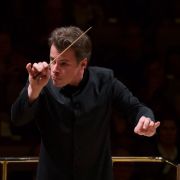
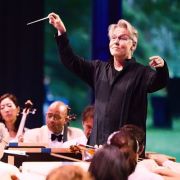
Rhythmic precision and forward drive defined the New York Philharmonic’s subscription program under Santtu-Matias Rouvali. A frequent guest conductor with the orchestra, he favoured propulsion over sheer tonal richness in a programme traditional in outline yet modern in idiom.

Daniel Nelson’s seven-minute Steampunk Blizzard opened with metallic brightness and tightly wound energy. Conceived as a “steam engine ballet in a snowstorm”, it evokes a fantastical contraption gathering force, answered by clattering percussion, abrupt brass punctuations and interlocking rhythmic figures. Percussive drive fused with a steady groove, the textures layered yet never opaque. Rouvali kept the machinery cleanly articulated, preventing the rhythmic build-up from thickening the texture. The result was brisk and focused, its energy tracing a compact arc that built swiftly and dissipated without excess.


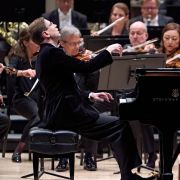
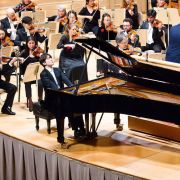
Bartók’s Violin Concerto no. 2 shifted the focus from surface energy to structural rigour. Though cast in a traditional three-movement design, it is bound together by variation and thematic transformation, relying as much on architectural coherence as on virtuosity. Leonidas Kavakos shaped that design with authority and purpose. The opening Allegro non troppo unfolded in long, taut spans, the line sustained with disciplined concentration. Passagework was clean and rhythmically alert and the fleeting quarter-tone inflections near its close registered with quiet tension before a cadenza delivered with commanding assurance. In the Andante tranquillo, Kavakos kept the lyricism contained, allowing the variations to distinguish themselves through subtle shifts of colour and phrasing, while Rouvali maintained lean, transparent textures. The finale’s angular exchanges were crisply articulated, the larger arc held steady, the returning material integrated into the design, even if the Hungarian-inflected rhythms might have carried slightly more bite.

Rachmaninov’s Symphonic Dances brought fuller orchestral weight and colour, yet Rouvali maintained the same clarity of line. In the opening Non allegro, he kept the march-like rhythms buoyant and sharply defined. The brief alto saxophone solo carried warmth without indulgence, its mellow tone briefly softening the movement’s taut profile. In the Andante con moto, the waltz’s unease was subtly emphasised, and Sheryl Staples’ violin solo emerged with poised lyricism, focused and supple within the shifting orchestral shadows. In the final movement, Rouvali highlighted the clash between the darkly pulsing Dies irae and the more luminous theme borrowed from the composer’s earlier All-Night Vigil, driving the music forward with rhythmic insistence and firm dynamic control.


Composed only a couple of years apart, Bartók’s concerto and Rachmaninov’s Symphonic Dances revealed an unexpected kinship when heard together under Rouvali’s direction. If their languages differ – one rhythmically jagged, the other late-Romantic and shadowed – both were shaped with definition of contour and cumulative pacing that suggested a consistent interpretive temperament. Climaxes felt carved from within, their force accumulating through tension and delayed release. In Bartók, that compression clarified the concerto’s internal architecture, tightening its variations into a continuous span; in Rachmaninov, it restrained the music’s Romantic breadth, hardening sonority and focusing momentum.