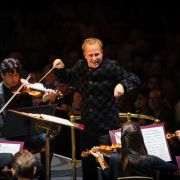
A choral conductor demands a lot from his singers, individually and collectively, no more so than when conducting the behemoth that is Bach’s Mass in B minor in the Royal Albert Hall. Togetherness with each other and with the instrumentalists is only the starting point: there must be perfect intonation, diction, timbral quality, dynamic interest, definition of voice groups (the double chorus Osanna is particularly tricky) and, of course, making the text actually mean something. In last night’s Prom, Arcangelo gave their Artistic Director Jonathan Cohen more than he – or the audience – could have possibly expected.

You knew it from the first note: the “K” of “Kyrie” cut the air like a rifle shot. And it just got better from there: soaring soprano lines interweaving with authoritative bass, the middle tenor and alto voices separately full of character, every word of the Latin crystal clear through the thickest of textures, each fugal entry crashing in like waves rolling into a surf beach. In spite of the modest headcount – 50 singers in total, 10 each of SSATB – there were no problems whatsoever of projection, balance or just raw volume.


Superposed onto all this technical skill was a gradual ratcheting up of devotional rapture (no easy feat, given that this is nearly two hours of music) over a steady tread of forward propulsion. There was also an appreciation that this extraordinary work is the biggest series of earworms ever written, with those themes returning time and time again to impart that feeling of rightness that only Bach at his best can achieve.

Arcangelo’s instrumentalists were well up to the standard. Strings – again, modest in numbers at just 25 total – provided the bedrock of the performance as well as being standard-bearers of the earworms in their few instrumental-only sections. The double-flute obbligato in the Domine Deus was blissful, the oboe d’amore obbligato in Qui Sedes transcendent. For Et Quoniam, the arrival of horn player Urusula Paludan Monberg and her spectacular triple-hooped corno di caccia drew gasps before she had even played a note. Only the trumpets sounded thin to me – but then I was seated behind their right shoulders with their instruments pointing away: perhaps those seated in block M opposite might have had a similar complaint about the oboes.

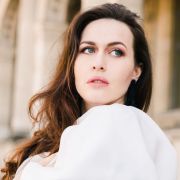
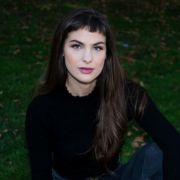
This would have been a performance for the story books if all five soloists had lived up to those lofty standards. In the event, only countertenor Hugh Cutting demonstrated the real power to thrill: bold and forceful but with no shortage of timbral beauty in Qui Sedes, fervent and commanding of the bloom of a long note into vibrato in Agnus Dei. Although the other soloists all had good moments (Eva Zaïcik’s contribution to Christe Eleison was particularly notable), none commanded the hall in the way Cutting did. To be fair, Bach isn’t kind to his vocal soloists, making few concessions to things like the need to breathe, and the nature of the work, assembled as it was from a variety of earlier pieces, causes problems: the two bass arias demand fundamentally different voice types, which made Florian Störtz far more comfortable in Et in Spiritum Sanctum than in Et Quoniam.


But let’s look at the big picture. The purpose of the Mass in B minor is to impart awe and reverence at the divine. Whether, for you, that means Bach’s Christianity, the divinity of some other religion or of transcendent humanity, this performance accomplished that that purpose with an intensity that grew steadily from start to finish. It will stay long in the memory.