The City of Birmingham Symphony Orchestra has gone from strength to strength in recent years, and this performance of three works by Richard Strauss was flawless. The programme sandwiched a work from his later life, the Oboe Concerto, between two hefty and profound tone poems, Tod und Verklärung (Death and Transfiguration) and Also sprach Zarathustra. The contrast created by this programme between weight and grace was delightful.

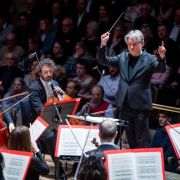
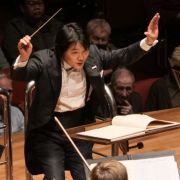
At the podium was Kazuki Yamada, now firmly established as Musical Director and a favourite with Birmingham audiences for good reason. His understanding of Strauss’ poetics and the scale of his explorations into fundamental questions of mortality was absolute. He was able to paint Death and Transfiguration as vividly as though his baton were a brush. The passages where the dying artist enjoys reveries of a happy youth were cinematic and moving, one could sense the orchestra dancing, yet the transition from this life into the unknown was handled evocatively with a prevailing theme of hope and peace. Everything was interpreted with exactitude and sage artistic judgement, and the union between conductor and orchestra was inextricably bound.


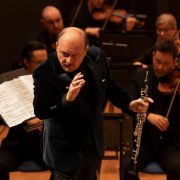
Strauss composed his tone poem on mortality at only 24 years old, an age when many people are carefree and enjoy the invincibility of youth. Counterintuitively, the lighter piece in the programme emerged in the immediate aftermath of the Second World War, when Strauss was 81. The concerto is playful and lyrical, creating a synergy between a more classical approach to the melodic line and the more modern orchestral support. The soloist was Jonathan Kelly, Principal Oboist with the Berlin Philharmonic, but heartily welcomed back to Birmingham as a former CBSO principal. His tone was keen yet warm, and his control was seemingly effortless. Kelly tiptoed a ballet in the faster lyrical phrases and cadenzas, a dance from whence he was able to leap and soar when the orchestra swelled beneath. At around 25 minutes, this concerto is a relatively long one for an oboist but, played by Kelly, it flew by.

In seeing the return of one former principal in a guest appearance, the CBSO gave a heartfelt farewell to Eduardo Vassallo, Principal Cello for the last 36 years, with retirement tributes led by his former student, the conductor Alpesh Chauhan. Vassallo, jokingly referred to by Chauhan as the “Argentinian Santa Claus”, has been a stalwart of the string section and central to the CBSO sound and experience for countless concertgoers in Birmingham. It was fitting that he should play out the final notes of Also sprach Zarathustra to conclude the concert.


It was with this tremendous work that Yamada and the CBSO were able to showcase themselves as an elite orchestra. The power of the famous opening found a new a gravitas with a brass section that projected and scintillated to fresh heights that continued throughout the duration of the work, supported by uninhibited percussion. Woodwind passages were immaculate, the strings as good as I have ever heard from this orchestra. The narrative qualities of the tone poem were clear and full of character, with every orchestral colour and dynamic explored. Strauss’ music tends to be ‘in the moment’ rather than memorable, in that while it is enjoyable in the concert experience, I can seldom think of a time I have found myself humming one of his tunes on the train afterwards. While that remains true, this concert was not only thoroughly engaging and absorbing in the hall, it also left a decidedly memorable buzz to accompany me home.