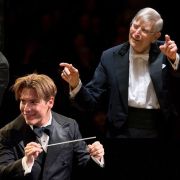
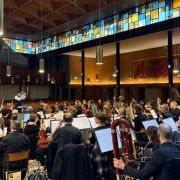
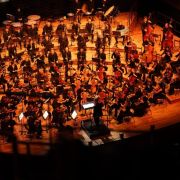
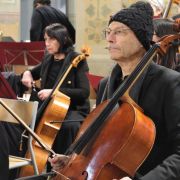
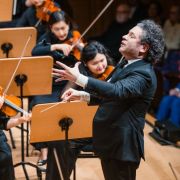
Chief Conductor Kirill Petrenko and the iconic Berliner Philharmoniker brought an inspired program featuring two late-Romantic masterpieces to Carnegie Hall. This performance, the third in a four-day residency opening the hall’s new season, marked the ensemble’s 80th appearance at the venue since their 1955 New York debut, conducted by Herbert von Karajan.

The evening opened with Edward Elgar’s quintessentially English Enigma Variations. With his sharply focused, highly animated conducting style, Petrenko shaped a tenderly played account of the hauntingly melancholic theme and went on to elicit a brilliant, tremendously moving transversal of the 14 variations, each depicting one of the composer’s close friends or family members and ending with a portrait of himself.


Supremely elegant, sharply detailed and consistently fresh, this was an interpretation that fully exposed the underlying structure in each of Elgar’s melodic puzzles. Under Petrenko’s baton, the musicians perfectly captured the rich array of contrasting colors, textures and musical styles in this kaleidoscopic work – from the featherlight woodwinds in Dorabella to the thunderous timpani in Troyte. Standout moments included the quiet, solemn theme in Nimrod evolving into a shattering crescendo before subsiding into a gentle pianissimo conclusion, principal Bruno Delepelaire’s expressive solo cello in Variation 12 (B.G.N.), and the sounds of the equally eloquent solo clarinet in Variation 13 (***). Most impressive of all was the floor-shaking energy and dramatic power of the Finale, with all the Berliners playing at their absolute peak.
Dealing extensively with themes of friendship, fate and hidden identity, Tchaikovsky’s extroverted, emotionally raw Fourth Symphony was well paired with Elgar’s more restrained treatment in Enigma. The Philharmoniker’s authoritative brass began the first movement of Tchaikovsky’s intensely personal work – a piece he described as an echo of his own emotional state and psychological battle against his inescapable destiny – with a clean, well balanced rendition of the well-known ‘Fate’ fanfare, finely attuned to Carnegie Hall’s sensitive acoustics. Throughout the rest of the first movement, Petrenko steered the orchestra through the restless string motifs and turbulent transitions to create a sense of deep psychological tension.


Introduced by a gently flowing rendering of the famous, solo oboe melody, the wistful second movement shifted beautifully between vividly evoked feelings of regret and fading memories of past joys. Flawlessly synchronized across the entire string section, the playing in the third movement pizzicato Scherzo was totally captivating. Petrenko set a demandingly rapid tempo for the final movement, but the Philharmoniker’s virtuosic strings effortlessly managed the speed, leading into a blistering coda, and a roaring, triumphant conclusion that brought the sold-out audience to its feet.