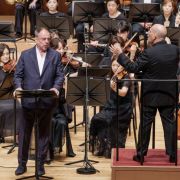
At Seoul Arts Center, Sir Simon Rattle made the inner life of Mahler’s Resurrection Symphony unusually vivid. The Bavarian Radio Symphony Orchestra sustained the individuality of its voices even as their combined weight filled the hall. Familiar passages changed character as a supporting line gained prominence or a bass figure altered the pressure beneath a melody. The effect recalled a finely composed dish: ingredients kept their distinctive flavours as they combined on the palate, with a long, complex finish.

Rattle’s first movement was spacious, but its weight had direction. Firmly articulated low strings gave the first-subject group a purposeful tread; in the exposition, the second subject’s E major cantabile relaxed the pace without quite escaping the insistence of its bass triplets. At the development’s opening, he drew out individual notes in the C major restatement, the subdued, sustained bass lending the melody a more suspended, questioning character. The Molto pesante then magnified the force of repeated dissonances, each renewed attack sharpening the expectation of the next. The recapitulation recovered the opening’s physical impetus. When the second subject returned, the stronger bass and more lingering phrasing gave its lyricism a darker substance. The song’s greater weight never quite erased the distance between its E major and the funeral music’s C minor.


That readiness to hear a passage afresh was especially rewarding in the Andante. The cellos’ countermelody deepened the dance into an expansive, wistful song. Its prominence cost the violins some independence, though the warmth and sweep of the playing made the altered balance persuasive. In the Scherzo, the broad trumpet melody and the active harp and string accompaniment were finely proportioned, keeping the music alive beneath the apparent repose. The eventual outcry disturbed that equilibrium, leaving the music that followed strangely withdrawn.

Karen Cargill’s directness in Urlicht gave voice to that inwardness. Her exchanges with the oboe were freely inflected, their gentle responsiveness making the prayer sound personal. The finale benefited from Rattle’s judgement of scale. Early climaxes left enough force in reserve for the central march to gather further momentum. Around the trombone’s anticipation of “O glaube”, however, the retreat briefly lost the expectancy that had sustained the first movement’s breadth. The offstage brass retained a kinship of colour with the onstage players, blending naturally into the wider sonority. Distant calls and the nearer birdsong established distinct perspectives without making the music seem disjointed; the chorus entered naturally into this carefully prepared space.


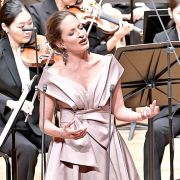
The National Chorus of Korea and Seoul Motet Choir initially lacked some focus. Lucy Crowe’s firm soprano projected above them, creating an attractive depth even where the prescribed fusion remained incomplete. Cargill’s imploring “O glaube” and Crowe’s more expansive response gave the text contrasting inflections. The later choral fugato needed cleaner coordination, but the final “Aufersteh’n” brought a firmer blend and an unmistakable sense of arrival. The chorus could now match the orchestra’s scale, bringing a moving culmination to Rattle’s vividly characterised reading.