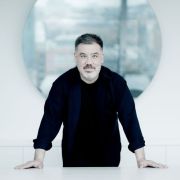
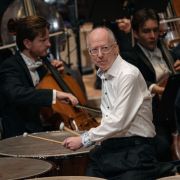
If we were to measure which orchestra exerts the highest energy consumption per note, Utopia would likely claim the summit with ease. This is not merely a matter of physical exertion, but a profound emotional output. When Teodor Currentzis leads this hand-picked collective, the result is a radical “evening of extremes”: a journey where the musicians surrender themselves to the architecture of the sound.

In Berg’s Violin Concerto, the stage was densely packed, yet the sonic result was one of crystalline intimacy. Utopia brilliantly navigated the work's mirrored structure, maintaining a persistent sense of a human tapestry of warmth and immersion. Rather than the internationalised coldness of a globalised orchestra, the result here was a family-like atmosphere of intense mutual listening.


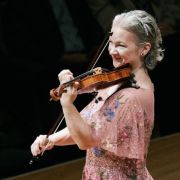
With Currentzis positioning himself with only a low music stand, the music-making felt even more of a partnership. Vilde Frang’s solo violin began with a subtle tension and slightly weak projection, but she soon found her stride, blossoming into a performance of silky, highly cantabile lyricism. In this introverted yet radiant work, Utopia's physical commitment was striking: the string musicians utilised body language – standing by turns during specific sections – to create a bodily dialogue with Frang’s violin.

The performance of Mahler’s First Symphony served as a definitive showcase of Utopia’s sonic philosophy and working methods. Deviating from the aesthetic of a military-like guard surrounding a sovereign conductor, the musicians performed mostly standing, reminiscent of a Baroque ensemble. This granted them the freedom, space and spontaneity that defined the performance. Currentzis demonstrated a particular fascination with sculpting the spatiality of sound. In the string sections, led by Frang, the focus often shifted toward the projection of the rear rows, effectively expanding the physical boundaries of the orchestra's aura. Similarly, the brass projection felt as though it were erupting from the very depths of the ensemble, creating a multi-layered, bustling sonic landscape.


From the suspended stillness of the introduction to the burst of the main themes, the vibrant and spring-like motifs seemed to break through the dense layers of forest mist. The second movement unleashed a Dionysian vigour with its raw, rustic rhythms; here, the conductor’s audible stamping and the fierce articulation of the double basses and cellos were accompanied by the visceral crackling sound of the bows attacking strings. Meanwhile, the third movement successfully navigated the unsettling, mock-solemnity of its funeral march, capturing the unpredictable emotional shifts. This interpretation possessed a sharp, cutting edge, as if one were witnessing a satirical silent-era film. The finale provided an unparalleled explosion of energy, weaving extensive recollections of the first movement into a triumphant climax. The entire work was bound together by an irrepressible momentum.
Visually and aurally, this was a powerful demonstration of a collective devoted to radicalised music-making. Utopia’s magnetic aura clearly captivated listeners unfamiliar with the repertoire – some even shouted their approval at the close of an A-section before the ABA structure had finished. Yet, this mattered little: their enthusiasm signalled a welcome lowering of the average audience age within the concert hall.