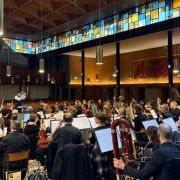
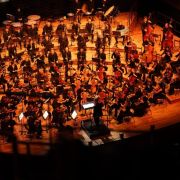
There is nothing quite like the excitement a packed concert hall can generate. The bowl-shaped Usher Hall holds around 2,200 from the stalls to the vertiginous top-deck seats at ceiling height. For this epic performance of Mahler’s Resurrection Symphony there were some 285 performers facing us, the Edinburgh Festival Chorus completely filling the organ gallery. Incredibly, in its 90-year history, this was only the third time the BBC Scottish Symphony Orchestra had tackled this huge work. With Sir Donald Runnicles conducting, a man famed for his Mahler interpretations, this was an unmissable event. The whole hall bristled with anticipation. We were richly rewarded.


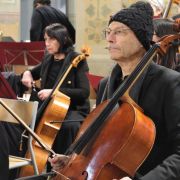
Runnicles is more economical in his gestures these days, but he shaped the work from brooding darkness to blazing light with perceptive insight, pacing and skill, finding astonishing detail along the way. The rasping energy of the double basses and cellos digging into the unison passages at the start of the sprawling first movement had such a vivid edge you could feel a thrill in the air. It is a serious and solemn arc, Runnicles balancing fiery passages with quieter moments like the expressive chorale and theme for muted horns. Rising tension with lively woodwind and pungent brass pushed the excitement, the chaos resolving into a quiet delicate finish.
After a short retuning break, the sunny Ländler arrived with alluring rubato and warm chattering string playing, Runnicles maintaining momentum, the pizzicato passage with harp, flute and piccolo interjections, delightful. The Scherzo began cheekily with a perky clarinet dancing along, a rute beating time on the edge of the bass drum, the tune capturing the humour in Mahler’s earlier song about St Anthony preaching to the fish. But suddenly the brass blazed, darkening the mood, the famous ‘death shriek’ visceral. Runnicles sensibly placed his soloists right at the front, Karen Cargill’s mezzo bringing welcome warmth, delicately floating Ulricht like a prayer, speaking of finding a peaceful eternal rest.

The final movement was an electrifying journey, the first quiet bars giving us a clue to the tune we know will be hearing again in about half an hour in a triumphant finale. The brass chorale was deep, heartfelt and resplendent, Runnicles slowly building the drama, fearsome double timpani and percussion summoning storm clouds, but the music quietened to a faint bass drum roll as we heard the far-off brass and trumpet bursts from behind the stage. It was a very long sit for the Edinburgh Festival Chorus which has to come in softly, but they were faultless, with clear diction, singing without scores ensuring a direct ethereal experience. It was a magical moment when the singers began, Jennifer Davis’ rich soprano, in perfect balance with the forces behind her, cutting through with her hopeful message of resurrection. The finale was huge, the offstage brass creeping into the Usher Hall organ gallery to give even more heft to the explosive ecstasy, the organ bursting into life, the ending thunderous and emotional.


It always promises to be a special occasion when the BBCSSO welcomes back its Conductor Emeritus, and it was exciting to hear the Edinburgh Festival Chorus in splendid form outside its August duties, a credit to Chorus Director James Grossmith. Live music is so much more than listening, and I enjoyed watching Runincles, his players and singers creating this memorable performance right in front of us. One can admire a good Mahler 2, but this one was physically felt. What a treat!