Performances of Mozart’s music by large symphony orchestras tend often to elicit polite adjectives such as stylish, polished or lively. These qualifiers sometimes reflect a lack of comfort with the current ideas about this repertoire. An outfit like the Philadelphia Orchestra – which played an all-Mozart program this past weekend, its first since 2021 – cannot rely on its trademark lushness and vibrancy, which seem out of date when set against current thinking, nor can it fully transform itself into a historically informed practice ensemble for a single series of concerts. As a result, these evenings sometimes seem like a pleasant footnote in the course of a season, rather than a juicy main event.

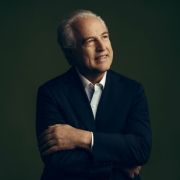
What a pleasure, then, for Harry Bicket and a reduced complement of some of Philadelphia’s best players to turn what could have been a routine Classical outing into a program that frequently left the listener on the edge of their seat. Replacing an indisposed Dame Jane Glover, the debuting Bicket brought to bear his immersion in this period’s style with a confident grasp of the Orchestra’s strengths, creating music that balanced the expected with the surprising. Aided by a quartet of fine soloists and the consistently solid Philadelphia Symphonic Choir, Bicket provided a performance of Requiem that was gorgeous, edgy and even life-affirming in all the right ways.


Bicket and the Philadelphians stuck with the tried-and-true Süssmayr completion of the Requiem, casting the Introitus and Kyrie in a haunting glow. This was still the Philadelphia Sound, after all, and it held plenty of warmth, even with limited vibrato.
A deep sense of suspension in the strings captured a feeling of tension mounting, climaxing in a Dies irae played with a palpitating speed that still didn’t sacrifice attention to detail. Bicket kept this balance throughout his brisk reading, which he dispatched in roughly 45 minutes, and which gave the impression of a reverent but still inevitable march toward death. The driving momentum seemed especially well suited to the Recordare, the counterpoint of the violins and low strings adding urgency to the lament, with mezzo-soprano Elizabeth DeShong and bass-baritone Brandon Cedel suggesting especially sincere professions of faith.
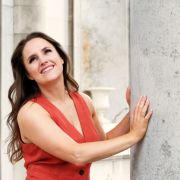
DeShong’s mellow yet room-filling sound was a consistent pleasure throughout, and Cedel particularly distinguished himself in Tuba mirum with precisely tuned, floor-shaking low notes. Soprano Lauren Snouffer brought to bear the musical authority one would expect from a singer frequently engaged by early music ensembles, though her lean sound occasionally turned wiry on ascending high notes. Similarly, tenor David Portillo sounded most comfortable on elegant mezza voce phrases rather than blunt high attacks. Still, the quartet were well matched, with no one member overwhelming the ensemble cohesion. As prepared by Joe Miller, the Philadelphia Symphonic Choir impressed in vocal coloring and tuning throughout, their entrance in the Benedictus particularly seamless.


The concert opened with Symphony no. 40 in G minor, a chestnut the orchestra could have easily dispatched as an appetizer before the main event. How wonderful, then, that they played it with such zeal, from the plangent churn of the violas that open the first movement to the driving force of the finale. Conducting freehand, Bicket kept the energy rising throughout, with minimal rests, clearly defined modulations, and fluid entrances and transitions. He left plenty of room for elegance, especially in the Andante with its whimsical interplay between First Associate Concertmaster Juliette Kang and Associate Principal Flute Patrick Williams. But overall, this was Mozart with an immediacy rarely heard in large-format venues these days, the kind of performance that makes clear why some people devote their lives to this music.