Abgetragene Holzschuhe und Wanderstiefel, ein 700 Jahre altes Brevier und ein Reliquienfinger der heiligen Elisabeth: Wer diese Gegenstände in einem Flügel des Erzbischofspalasts in Salzburg betrachtet, die anlässlich des 800. Todestags des heiligen Franziskus in einer Ausstellung gezeigt werden, der denkt über das Alltägliche und Bescheidene, aber zugleich auch über das Eigenartige und Schwierige eines Lebens nach, das ganz im Dienst Gottes stand.

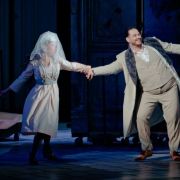
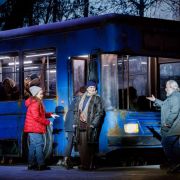
Fünf Minuten entfernt, auf der Bühne der Felsenreitschule, konfrontiert uns eine Neuinszenierung von Messiaens Saint François d’Assise mit dem transzendentalen Paradoxon eines solchen Lebens in all seinem Schmutz und seiner Heiligkeit. Messiaen habe sich nicht für Schmutz interessiert, sagte er, doch der Regisseur Romeo Castellucci tut dies ganz sicher. Franziskus, der darum betet, die Wunden Christi an seinem eigenen Körper zu empfangen, scheint zu Beginn der Stigmata-Szene im dritten Akt sein eigenes Grab zu schaufeln, und wer Castelluccis Arbeit verfolgt, wird an seine hypnotische, archäologische Inszenierung von Mahlers Auferstehungssymphonie beim Festival d’Aix im Jahr 2022 zurückdenken. Die heiligen Wunden werden nicht durch einen göttlichen Laserstrahl zugefügt, sondern von einer Schar schwarz gekleideter Gestalten, die aus der Erde aufsteigen und ihn zusammenschlagen.


Castellucci verlangt von seinen Schauspielern und Sängern Leid, das über die monatelange geduldige Arbeit hinausgeht, die erforderlich ist, um ihre Rollen in einer außerordentlich komplexen Oper zu lernen und einzustudieren. In der ersten Szene, als Franziskus die Tugenden des Bettlerlebens preist, stehen er und seine Anhänger in einem heftigen Sturm. Um die Kernaussagen einer Inszenierung herauszuarbeiten, die so reich an solchen Symbolen ist – sei es ihre wörtliche oder spirituelle Treue zu Messiaen oder zu den franziskanischen Tugenden der Armut und Demut –, stellt dies die Möglichkeiten einer Rezension, die über Nacht verfasst wird, vor eine Herausforderung.

„Ich liebe dich, Olivier, du unglaublicher Künstler“ – so lautet die Projektion am Ende der fünften Szene, nachdem der Engel Franziskus einen Vorgeschmack auf das Paradies in Form von Musik gegeben hat. Ich glaube Castellucci hier, in seiner entwaffnend aufrichtigen Zurschaustellung seines Egos, und insbesondere der erste Akt ist von Respekt sowohl für die Partitur als auch für die religiöse Gesinnung geprägt, die sie hervorgebracht hat. Anstatt in der Laudes-Szene zum Gebet niederzuknien, backen die Brüder Brot – eine von mehreren inspirierten Umsetzungen religiöser Handlungen, die Bruder Leos Hoffnung erfüllen, das Unsichtbare sichtbar zu machen. Was es kostet, zwei professionelle Brotbacköfen anzuschaffen und auf die Bühne zu rollen, um dann die Felsenreitschule mit dem Duft von frisch Gebackenem zu erfüllen, wenn die Brote am Ende des ersten Aktes herausgenommen werden, wissen nur der Himmel und die Buchhalter der Salzburger Festspiele.

In der musikalisch komplexesten Szene der Oper, in der Franziskus zu den Vögeln predigt, hält Castellucci seine eigene Predigt über den ökologischen Kollaps. Während der Heilige die wundersame Vielfalt des Vogelgesangs aufzählt, fallen Schwärme von Vögeln von der Decke herab – tot oder noch immer zuckend in animatronischer Qual. Solche eindrucksvollen Bilder werden je nach den individuellen Sympathien jedes einzelnen Betrachters unterschiedlich wirken.
Erst am Ende verliert Castellucci mich völlig, als Schafe über die leere, mit Erde bedeckte Bühne streifen, Franziskus' Leichnam im Hintergrund zusammengesunken zurückbleibt, während der wunderbare Chor der Wiener Staatsoper noch immer hinter der Felswand der Felsenreitschule verborgen ist, wo er den ganzen Abend lang aus vollem Herzen gesungen hatte. Messiaen und die Darsteller hätten für ihre Anstrengungen eine bessere Belohnung verdient als diese trostlos pathetische. „Es erfordert enorme Anstrengung, die eigene Sichtweise umzukrempeln“, bemerkt der Regisseur in einem Gespräch im Programmheft. „Aber wenn man es schafft, findet man überall Schönheit, denn es hat alles mit der inneren Sichtweise zu tun.“ Vielleicht könnte ich eine neue innere Brille gebrauchen.


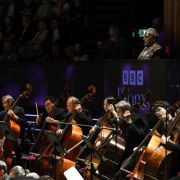
So kam es, dass der Dirigent Maxime Pascal das von Messiaen geforderte überwältigende Crescendo beim Schlussakkord der Oper nicht erreichen konnte. Während er diesen Akkord in Bukarest beim Enescu Festival 2023 noch lauter und länger gestaltet hatte, standen Pascal nun die Wiener Philharmoniker zur Verfügung sowie (vermutlich) großzügiger bemessene Probenzeiten. Was wir an absoluter Transparenz einbüßten – bedingt durch die riesige Instrumentalbesetzung, die den gewaltigen Orchestergraben füllte (in den meisten Opernhäusern findet diese nur auf der Bühne selbst Platz) –, gewannen wir durch einen butterweichen Glanz und einen bassreichen Klang, der zumindest der dem Werk innewohnenden Überfülle gerecht wurde. Die Schlagzeuger, die auf Seitenbühnen über dem Hauptorchester positioniert waren, verschmolzen fast schon zu nahtlos mit ihren Kollegen.

In der Titelrolle trat Philippe Sly mit beeindruckender stimmlicher Souveränität auf. Seine Intonation und Aussprache blieben durchweg stabil, sein Timbre und seine Ausdauer hingegen weniger, was seine Abschiedsrede allzu glaubwürdig schwach wirken ließ. Lauranne Olivias Engel erklang mit einem breiteren Vibrato als bei anderen Interpretinnen dieser Rolle, doch sie meisterte die knifflige, ausdrucksstarke Tessitura gut: sanft und anmutig gegenüber dem Aussätzigen, eigensinnig und trotzig gegenüber den Brüdern.

Das warme Legato von Sean Panikkars Aussätziger glich sein etwas gekünsteltes Französisch aus, während die Rollen der jüngeren Brüder allesamt gut besetzt waren. Russell Braun sang einen ungewöhnlich selbstbewussten Frère Léon, und Sir Willard White lieferte einen wunderbaren Gastauftritt als Frère Bernard – sowohl seine Stimme als auch seine Bühnenpräsenz sind nach wie vor unnachahmlich. Pascal und das Orchester ernteten den lautesten Beifall des Abends, und das zu Recht.