Fresh from a successful weekend at the Edinburgh International Festival, Kirill Petrenko and the Berliner Philharmoniker came south for the first of their BBC Proms, Elgar’s Enigma Variations and Tchaikovsky’s Fourth Symphony. It may look conventional fare on paper, but “the greatest orchestra in the world” (that LA Times quote doing a lot of heavy lifting) know their onions, and the programme perfectly showcased their unrivalled strength in such repertoire.

The Elgar is extremely well known to Proms audiences (107 performances to date), but so is Tchaikovsky’s Fourth (not far behind at 97). So it would take something special to stand out, yet stand out this did. It’s hard to put your finger on what elevated this far beyond the expected excellence. It goes without saying, they were pretty much faultless. Every entry was solid and confident, the horns in particular universally and effortlessly smooth. But it’s the level of commitment to excellence that stood out.


It’s possible for a top orchestra to rest on their laurels and turn in a great performance yet still leave you cold – as if they, and you, know they can do it, so what? None of that here, though. The energy from the strings in their tremolo frenzy at the close of symphony’s opening movement, or thrashing away in the final Enigma variation showed there was no coasting here. Similarly, the full brass sound in the Tchaikovsky, particularly when in canon in the finale, was exhilarating. And their uniformity of tone is a thing to wonder at. There’s a moment in Tchaikovsky’s opening movement where a long scale moves down from the violins through the strings to the double basses. Their blend was such that it sounded like one instrument with a phenomenal range, no joins in sight.
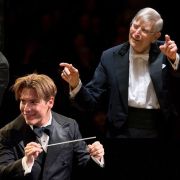
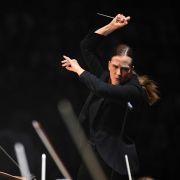
As for the force of nature that is Kirill Petrenko, he was certainly not going through the motions. Constantly wired and alert, he shifted from large gestures to a minimal beat, guiding the players from their huge collective sound right down to the smallest pianissimo, such as the strings’ first entry in the Tchaikovsky, or resisting any hint of growth in Nimrod. In the latter case, this made the slow thickening of the sound into the oh-so-familiar climax all the more powerful, as did the quick decrescendo away to nothing. Yet in Tchaikovsky’s pizzicato Scherzo, such was the razor-sharp ensemble of this orchestra that there were moments when he backed off completely, barely conducting and enjoying the playful ballet, with cheeky facial expressions his only hint of direction.


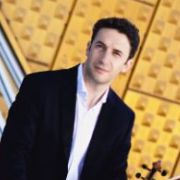
In the Elgar, tempi were quick, Petrenko avoiding the overindulgence which can be born of familiarity. Yet nothing felt rushed – from the opening variation’s poised final chord placement, to the next's skittering precision, and Dorabella's muted string filigree against fluttering woodwinds, no detail was missed. Placing the violas on the outside meant that principal viola Diyang Mei’s excellent solos here and in Ysobel were given well-deserved focus, and principal cellist Bruno Delepelaire’s turn in B.G.N. was equally special, so tenderly quiet at the end.
Tchaikovsky’s Fourth Symphony is a turbulent affair, with little escape from the fateful fanfare that opens the work and returns at its close. Petrenko’s lightning tempo in that finale was no problem for the scurrying strings, and set against the solo oboe then bassoon’s folk melody, followed by the brass rising up to the fanfare’s return, this was a thrilling rendition, and the thrashed chords followed by a long general pause in which the whole hall held its breath, was followed by an electrifying finish.
Note from the editor [2nd October 2026]: The review previously stated a wrong principal viola. It was not Amihai Grosz but Diyang Mei who played the “excellent solos”.