When Jascha Heifetz took Erich Korngold’s Violin Concerto to Carnegie Hall in March 1947, following a successful St Louis premiere, the critics laid into it. Olin Downes panned it as a “Hollywood Concerto” in the New York Times, while in the New York Sun, Irving Kolodin dismissed it as “more corn than gold”. That cruel label stuck for years, but the concerto has been successfully rehabilitated. Indeed, it’s such a core repertoire piece that this performance by María Dueñas with the BBC Symphony Orchestra was the third London has heard in the past month.


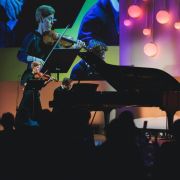
The young Spanish violinist is busy touring the concerto this spring, with a recording in the offing, titled ‘Homage to Heifetz’. Her style couldn’t be further from Heifetz though, more finely spun silk than the lush, vibrato-laden tone of “God’s Fiddler”. She accented the concerto’s more introspective moments, weaving the nostalgic opening with shimmering golden threads before blossoming into glowing top notes. The whispered close to the Romance was especially tender and unschmaltzy, certainly more gold than corn.
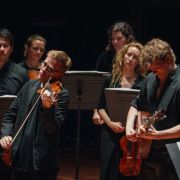
Dueñas’ playing was unflashy, her demeanour shy, studiously avoiding eye contact with the audience but focusing entirely on conductor Sakari Oramo. Performing the concerto at the Royal Albert Hall a fortnight ago, Ray Chen – not uncharacteristically – broke a string. There was no danger of that here. Tearing a stray hair from her bow mid-cadenza was as violent as things got. The BBCSO and Oramo provided the Hollywood pizzazz, Straussian horns whooping it up in the finale, with Dueñas bouncing her spiccatos merrily, smiling at leader Cellerina Park. It is a mark of the concerto’s class that it can take any number of approaches and this beautifully judged one will linger long in the memory.
Korngold had emigrated to the United States in 1938, following the Anschluss of his native Austria. Hungarian composer Béla Bartók followed him two years later. One of the greatest of his late works composed in the US was his Concerto for Orchestra and it made a fine showpiece for the BBCSO in the final concert of their Barbican season. I have rarely heard so much of Bluebeard’s Castle lurking in the score: lowering double basses as the concerto creeps into life; rippling clarinets in the Elegia evoking the Lake of Tears behind the sixth door.


Oramo, who conducts with little fanfare or telegraphing look-at-me gestures, drew tremendous playing from his charges. Woodwind articulation throughout was superb, especially the chortling bassoons and scampish clarinets in the Game of Pairs second movement. The playing was pungent where required, trombones relishing their glissandos in the Shostakovich piss-take in the Intermezzo interrotto.
The performance burst with character, but then so does Bartók; a marked contrast to the concert’s opener, the UK premiere of Betsy Jolas’ Latest. A 15-minute mood painting in sound, it shimmered at little above mezzo-forte, particularly its murmuring percussion, but never seemed to actually travel anywhere.