The words “gorgeous” and “stunning” come up a lot in my notes for the Metropolitan Opera’s new production of El último sueño de Frida y Diego, an opera by Gabriela Lena Frank based on a libretto by Nilo Cruz. Director and choreographer Deborah Colker and her design team have created visually vibrant worlds for Frank and Cruz’ equally vibrant reverse-Eurydice story to inhabit.

A quick synopsis: Frida Kahlo (Isabel Leonard) is summoned from the underworld for a day-long visit on the Day of the Dead by Diego Rivera (Carlos Álvarez), who has appealed to Catrina, the Keeper of the Dead (Gabriella Reyes). She is reluctant to go at first, but is convinced after encountering fellow dead soul Leonardo (Nils Wanderer), who is himself yearning to return. Frida and Diego spend a day together in Mexico City, and their complicated relationship is subsumed in their mutual love of color. Diego dies and Frida escorts him back to the underworld, where they can be together forever.


The scenes set in the underworld are especially striking, with the raked stage split by glowing red cracks from which dancers halfway emerge. The dancers themselves, a constant presence, are among the most visually arresting components of Colker’s production. Costumed for most of the evening in skeleton suits, with the spaces between the bones a disturbingly meaty pink, they comment on the action, project Frida and Diego’s inner lives while the singers remain still, and often act as the piece’s true chorus, with the always excellent Met Chorus, usually ranged along the edges of the stage, providing their voices.

Frank was recently awarded the Pulitzer Prize for an orchestral work, and it is not hard to see why. Her score is a riot of orchestral color, smartly arranged for dramatic purposes. She uses small scale repetition to keep the music accessible, and enough recurring material to tie the piece together, most notably a quiet, yearning pulse – occurring in different guises throughout the opera – and the sound of the marimba. The musical material is piquant and interesting without being difficult to digest. Both climaxes and intimate moments are rendered skillfully.

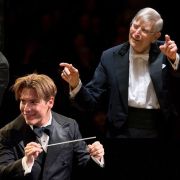
This includes the vocal writing. Leonard’s Frida made for a warm if guarded presence; her rendition of Frank’s evocation of the pain of being alive (“agonia!”) was thrilling. Álvarez was often asked to sing over a great deal of brass writing, forcing him into a wobbly, forced vocalism that did not serve either him or the piece well. It’s unclear how much of that should be laid at Frank’s feet and how much at those of conductor Steven Osgood, who otherwise led the orchestra with lovely attention to detail. In any case, Álvarez’ fine baritone was on much better display in quieter moments such as Diego’s second-act conversations with Frida.


The soprano role of Catrina is written as an absolute scene-stealer, alternating between comical and sinister, and Reyes pulled it off beautifully, including the most evocatively composed renditions of maniacal laughter I’ve ever encountered. Wanderer’s clarion countertenor was musically convincing in the dramaturgically dubious role of Leonardo, a dead actor who wants to return to the land of the living dressed as Greta Garbo in the film Queen Christina for a fan of hers who thinks she is dead. If that subplot leaves you scratching your head, you’re not alone. But otherwise Cruz’ Spanish-language libretto is terrific, thematically rich and evocative, with flashes of humor scattered throughout.

For all the visual richness of Colker’s production, it does prioritize stage spectacle over acting. We do not truly get a sense of the chemistry that ties Frida and Diego together until he dies and the two of them are left alone together onstage for the first time. Hopefully the Met will keep this remarkable production in rotation, and that layer will fill in over time.