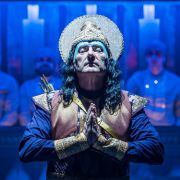
Laurent Pelly’s sparkling production of Donizetti’s La Fille du régiment is back at The Royal Opera, and based on last night’s opening performance, the fizz is as fresh as ever. Chantal Thomas’ quirky sets, with a landscape formed of maps for Act 1 and a wall-less, wonky castle for Act 2 add to this production's surreal comedy vibe, and Pelly’s costumes, from the Tyrolean peasants at the start to the macabre zombie-like wedding guests later create a delightfully anarchic world of colour and interest. And nearly 20 years on, this in no way feels tired or dated, and would surely equally impress if it were a brand new production on its first outing.

Poor old Berlioz is oft quoted for his rather scathing review of the opera’s premiere in 1840, possibly fuelled by jealousy at the Italian composer’s prolific success in Paris. It is true that that premiere didn’t go well, by all accounts, but the opera nevertheless quickly became very popular, and has remained so ever since. The comic tale of a young woman rescued and brought up by not just one but a whole regiment of soldiers, only to eventually find out (spoiler alert) she’s the daughter of a Marquess creates the usual operatic opportunities for high jinks and misunderstandings, but it is Donizetti’s deft hand at mixing the comedy with such great showcases for the vocal cast, both virtuosic and expressive. This does require a cast up to the job to pull this off and, thankfully, this was supplied in spades tonight.


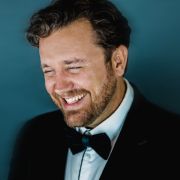
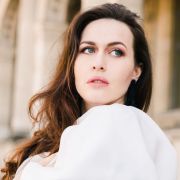
Making her Royal Opera debut as Marie, Sara Blanch was frankly astonishing. She is the complete package, with impeccable comic timing and convincing physical comedy, but also phenomenal vocal technique, whether upright, lying down or being held aloft by a chorus of soldiers. But what also impressed was her ability to turn on a sixpence and move the audience to tears with an aria like “Il faut partir”. She was particularly well matched in this respect to the old hand, Juan Diego Flórez, back some 19 years after the production’s debut in 2007. He also still has that ability to flip from Harold Lloyd-esque comedy and highwire vocal gymnastics to winning hearts in the sustained lyricism of “Pour me rapprocher de Marie”. But we can’t not mention those top Cs in “Ah! Mes amis”, delivering the requisite nine, the first eight with such ordinary, ‘so what?’ ease, saving the real wow factor for the final (unwritten) long-held one, acknowledging the sustained ovation, before bouncing back into action. And now in his mid-50s, Flórez still has no problem convincing Marie – and us – with his boyish charm.
Paolo Bordogna (Sulpice) sang with clarity and strength, as well as having great fun with the comedy, and all three’s playful choreography in “Tous les trois réunis” reminded one of the chemistry in Singin’ in the Rain’s iconic trio.

Sonia Ganassi sang the Marquise de Berkenfield with authority, and convinced in her transition from grotesque to sympathetic, and Donald Maxwell played the confused butler Hortensius with a game air of nonsense and frustration. Tamsin Greig’s splendid turn as the stuffy Duchess was in danger of stealing the show, even managing to make the shoe-horned World Cup jokes land, and maintaining character right to the curtain call.


William Spaulding’s Royal Opera Chorus sang with gusto, and the men played their part as slightly bumbling soldiers and mass surrogate ‘daddies’ with slick humour. Yves Abel elicited the requisite energy and pace from the orchestra, while allowing for moments of tenderness, such as from the cor anglais in “Il faut partir” or the cello solo in “Par le rang et par l’opulence”, and the brass delivered shiny, spot-on accuracy throughout, right from the overture’s opening horns.
So raise a glass of bubbly to this effervescent and polished evening of joyful nonsense, and to the strong performances all round, not least from Flórez and especially Blanch – here’s hoping for more from her at Covent Garden in the future.