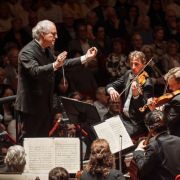
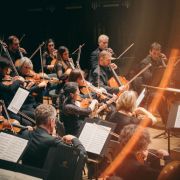
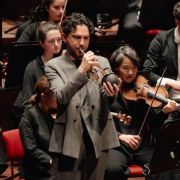
The Czech Philharmonic loves to tour, especially with their Chief Conductor Semyon Bychkov. After stop-offs in Brussels and Hamburg, Thursday’s concert in Dortmund’s Konzerthaus coincided with the final chapter of Sol Gabetta’s Dortmund residency where she has led masterclasses for talented local cellists, and shared a spotlight on the work of French cellist Lise Cristiani, one of the first female professional cellists.

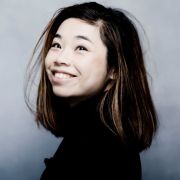
Tonight though, was all about Elgar’s Cello Concerto in E minor and, as she languished over the cello’s opening phrase, Gabetta seemed to summon parallels between today’s world and the grim realism of postwar Europe when the work was conceived. The mood, a complete transformation from the fresh, bright optimism of the evening’s opening number, Dvořák’s Carnival Overture, which flitted between gravely thunder and skittish playfulness. Instead, Gabetta placed profound sorrow and achingly-long phrases firmly alongside tenderness and abject despair; all sensitively matched by commanding orchestral tuttis. Rarely do you hear such expression and intensity in the solo cello’s pizzicatos. The third movement intensified the sorrow as Gabetta teased the ends of phrases, unafraid to push towards a point of no return. Her playing was, at times, so quiet that she swept all aboard her emotional rollercoaster.


Flickers of hope in the Finale faced a snarling orchestral response. As the opening theme returned, this time with overt slides between notes, lines became blurred; definition between light and shade appeared just a little greyer. All the while, her exquisite ability to reduce tension at the flick of a switch, left the cello almost naked in front of a packed hall, an overwhelming display of musical expression. It was her encore though, the Langsam from Schumann’s Five Pieces in a Folk Style arranged for solo cello and cello octet, and her exquisite duet with the principal cellist which truly left its mark.
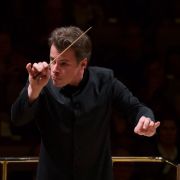
If the first half was all about the strings, then attention swiftly shifted to the woodwind and brass for Stravinsky’s Rite of Spring as virtuosic solos burst forth. The bassoon’s first note, a journey in itself, put the very notion of pitch on trial before warbling bass clarinets and twittering piccolos evoked a complete riot of colour. A spring like no other. Bychkov made it all look so easy. His steady march left room for a harsher reality ahead while simultaneously projecting an attractive humanity amidst Stravinsky’s pagan ritual. Calm and collected, his measured gestures and gentle sway belied little of the carnage before him. Beautiful pacing, a huge dynamic range and dramatic silences abounded.


Lyrical violas pleaded for their life in storytelling so vivid, all we needed were ballet dancers on stage. But as snarling brass, thundering percussion and rasping Wagner tubas echoed, the inferno showed little signs of mercy.
In contrast to the work’s 1913 Paris premiere where audience emotions reached fever pitch, tonight’s attentive German audience showed emotional restraint. Few dared to breach this Czech wall of fury, full of hypnotic, carnal drum rhythms and sneering brass. With bells aloft, the horns unleashed their wroth, the very organ pipes above seemed to vibrate.